



When we talk about the reality of male eating disorders in gym culture, we are shedding light on a silent crisis that often hides behind the guise of sheer discipline, “gains,” and extreme dedication. For decades, the mainstream conversation around body image and disordered eating has primarily centered on women. However, men are increasingly falling victim to toxic fitness standards that masquerade as health. Driven by social media algorithms pushing impossible physiques and the relentless pressure to look “jacked,” an alarming number of men are suffering in silence. It is time we pull back the curtain on this epidemic and explore how the modern fitness landscape frequently normalizes dangerous psychological behaviors.

The Link Between Male Eating Disorders in Gym Culture and Muscle Dysmorphia
To truly understand male eating disorders in gym culture, we have to look at the psychological drivers underneath the heavy lifting. One of the most prevalent manifestations is muscle dysmorphia, commonly referred to as “bigorexia” or reverse anorexia. Unlike traditional anorexia, where the goal is to shrink, muscle dysmorphia creates a pathological desire to become larger, leaner, and more muscular.
Men struggling with this condition look in the mirror and see themselves as puny or inadequate, regardless of how much muscle mass they actually carry. The pursuit of the “perfect” body morphs into a full-blown obsession. They may weigh every ounce of their food, strictly track every macronutrient, and push through grueling workouts even when injured or exhausted. Because these behaviors are often praised by peers as “hardcore dedication,” the reality of male eating disorders in gym culture is routinely validated rather than treated.
Read More: The Hidden Consequences of Sucking in Your Stomach
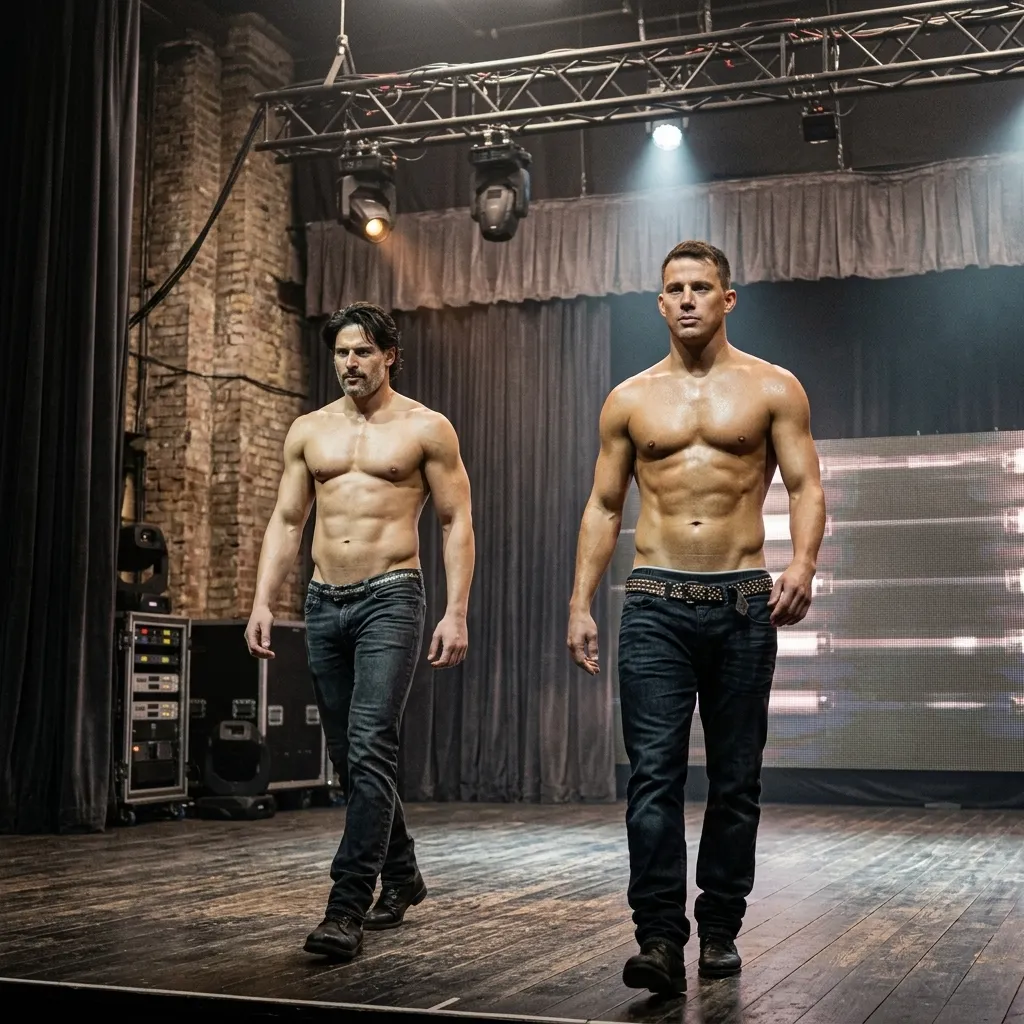
Recognizing the Hidden Signs of Male Eating Disorders in Gym Culture
The line between a healthy fitness routine and a pathological obsession can be incredibly thin. Because the environment praises extreme behaviors, recognizing the signs of male eating disorders in gym culture requires looking closely at an individual’s emotional relationship with diet and exercise. Key red flags include:
Exercise as Punishment: Working out excessively to “earn” a meal or to burn off perceived bad calories from the day before.
Intense Anxiety Over Missed Workouts: Experiencing severe distress, panic, or irritability if a gym session has to be canceled.
Social Isolation: Routinely skipping social gatherings, dinners, or events because the restaurant doesn’t fit their hyper-restrictive diet macros.
Compulsive Mirror Checking: Constantly scrutinizing one’s physique, measuring muscles, or avoiding mirrors altogether out of disgust.
Steroid or Unregulated Supplement Use: Taking dangerous, unverified supplements to artificially accelerate muscle growth and fat loss.
Read More: The GLP-1 Side Effect No One Talks About

Why Toxic Fitness Spaces Normalize Male Eating Disorders in Gym Culture
A massive part of the problem lies in the ecosystem itself. The normalization of male eating disorders in gym culture is fueled by a “no days off” mentality that leaves zero room for rest or mental well-being. When fitness influencers promote extreme cutting phases, dehydration tactics for photoshoot aesthetics, and highly restrictive meal plans as the gold standard of masculinity, it skews the perception of what a healthy male body looks like.
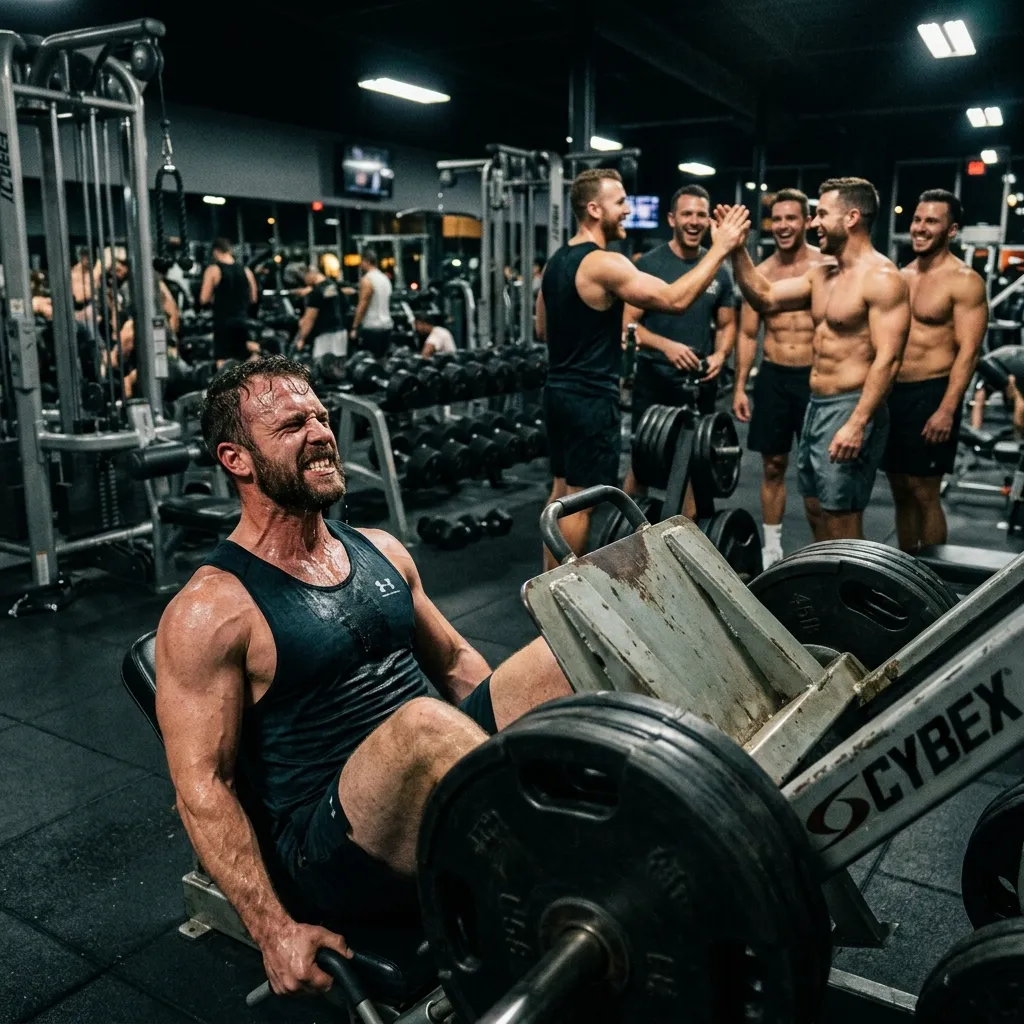
Diet culture and gym bro culture frequently intersect. Men are bombarded with messaging that their worth is directly tied to their body fat percentage and how much they can bench press. Consequently, when a man exhibits signs of disordered eating—such as refusing to eat a single carbohydrate or working out for three hours a day—he is often met with high-fives and admiration rather than concern. This dangerous positive reinforcement loops traps many men in a cycle of physical exhaustion and mental torment.
Shifting the Narrative and Supporting Recovery
To combat the rise of male eating disorders in gym culture, the fitness community needs a massive cultural reset. Coaches, personal trainers, and gym members must be educated on the psychological warning signs of exercise addiction and orthorexia. We need to foster environments where taking a rest day is viewed as responsible, not lazy, and where fueling the body is prioritized over starving it for aesthetics.
If you or a man in your life is trapped in the exhaustive cycle of male eating disorders in gym culture, know that struggling with body image does not diminish your masculinity. True strength lies in recognizing when a habit has become harmful and having the courage to ask for professional help. By changing the way we speak about men’s bodies and fitness, we can dismantle the toxic expectations and build a gym culture rooted in holistic, sustainable well-being.
Read More: 6 Healthy Habits That Make Your Life Worse (And What to Do)