


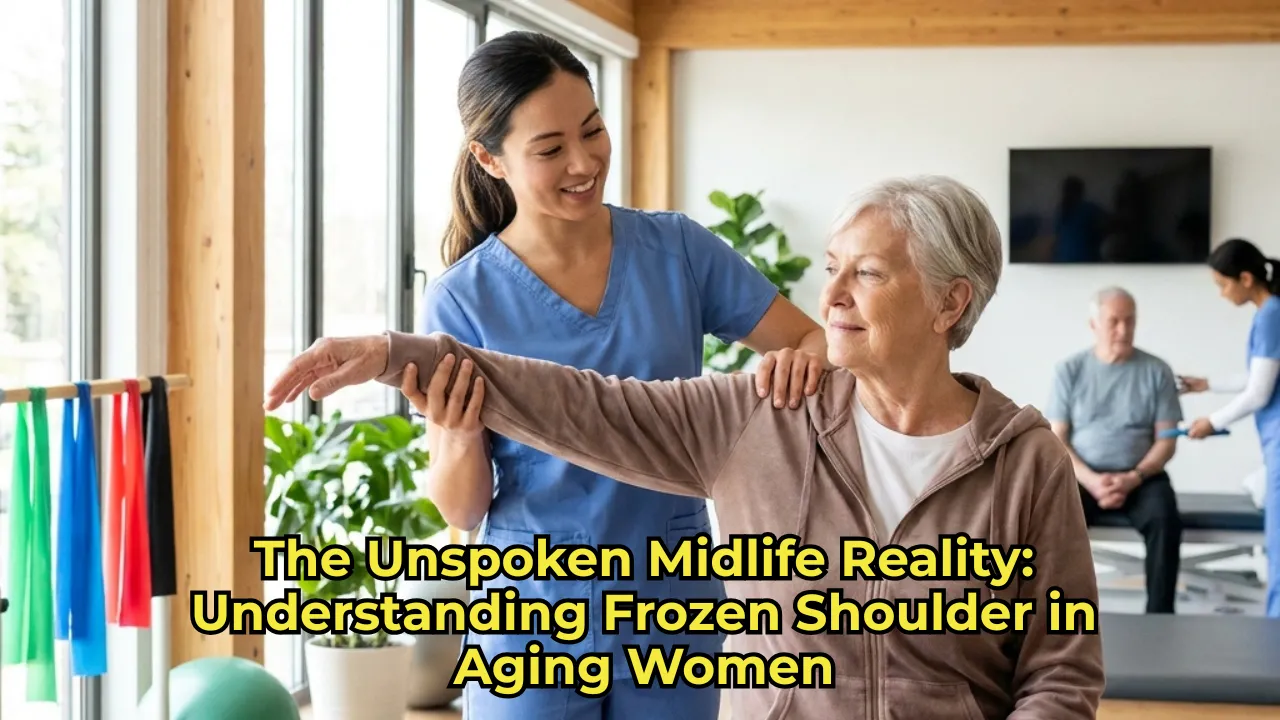
Dealing with a frozen shoulder in aging women is a surprisingly common, yet rarely discussed, midlife hurdle. As we grow older, our bodies introduce us to a variety of unwelcome surprises. From unexpected digestive changes to severely disrupted sleep patterns, midlife can feel like an endless physical transition. But if you’ve recently noticed a deep, nagging ache in your shoulder or suddenly find yourself struggling to reach overhead, hook your bra, or sleep comfortably on your side, you might be dealing with more than just normal wear and tear. You could be facing adhesive capsulitis—commonly known as frozen shoulder. Let’s dive deep into what causes a frozen shoulder in aging women, how to recognize the crucial signs early, and the best ways to reclaim your mobility.
What Exactly is a Frozen Shoulder?
A frozen shoulder occurs when the connective tissue surrounding your shoulder joint—known as the shoulder capsule—becomes inflamed, thickened, and incredibly stiff. This inflammation restricts movement and causes significant, radiating pain. While anyone can technically develop this condition, the prevalence of a frozen shoulder in aging women is disproportionately high, particularly striking those between the ages of 40 and 60.
The Three Phases of a Frozen Shoulder
To fully understand and treat this condition, it helps to know how it progresses. A frozen shoulder in aging women typically develops slowly and in three distinct stages:
The Freezing Stage: Any movement of your shoulder causes sharp pain, and your range of motion starts to noticeably decline. This frustrating phase can last anywhere from six weeks to nine months.
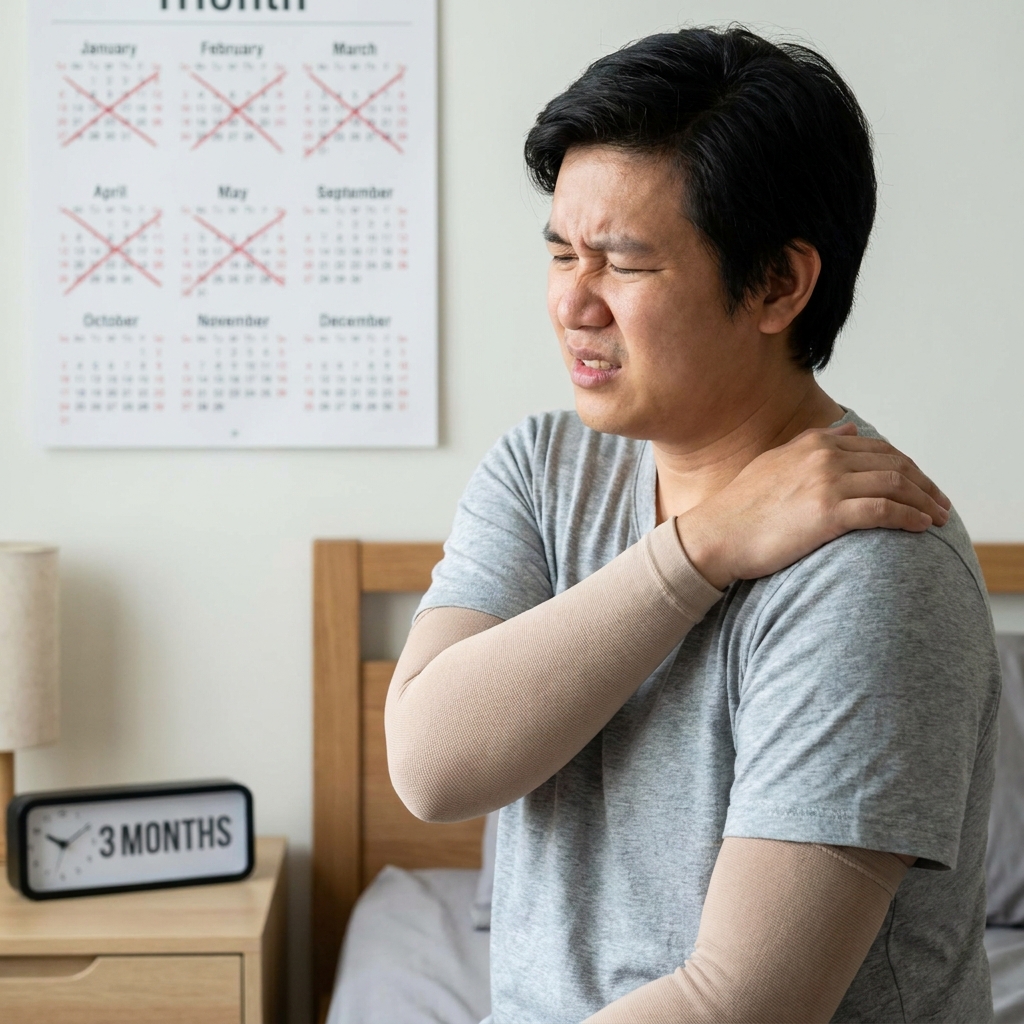
The Frozen Stage: The sharp pain might actually lessen slightly during this stage, but the stiffness worsens dramatically. Your shoulder becomes completely rigid and extremely difficult to use. This can last four to six months.
The Thawing Stage: Your range of motion slowly begins to improve. Complete recovery is possible but can take anywhere from six months to over two years.
Read More: Strength Training for Middle-Aged Women: Ultimate Lifestyle Change
Why is a Frozen Shoulder in Aging Women So Common?
You might be wondering why this particular joint issue specifically targets women during their midlife years. While the exact reason why a frozen shoulder in aging women happens more frequently than in men isn’t definitively proven by the medical community, research points heavily toward biological and hormonal shifts.

The Hormonal Connection: Menopause and Joint Health
During perimenopause and menopause, a woman’s estrogen levels drop significantly. Estrogen doesn’t just regulate the reproductive system; it also plays a crucial role in reducing systemic inflammation and maintaining healthy joint lubrication. As estrogen naturally declines, joints become far more prone to inflammation and stiffness. This sudden hormonal shift is a primary suspect in why we see such a high rate of a frozen shoulder in aging women. Additionally, women in this demographic are more likely to develop thyroid disorders or diabetes, both of which are major medical risk factors for developing adhesive capsulitis.
Recognizing the Symptoms: Is It Just Aches or Something More?
It’s tempting to brush off physical discomfort as just another routine symptom of getting older. However, ignoring the early signs of a frozen shoulder in aging women can lead to months or even years of unnecessary pain and restricted living.

How It Impacts Your Daily Life
The symptoms are usually unmistakable once they truly set in. You may experience:
A dull, aching pain localized in one shoulder that occasionally radiates down the arm.
Pain that significantly worsens at night, severely disrupting your sleep.
Inability to reach up into high cabinets or wash your own hair.
Difficulty getting dressed, particularly reaching behind your back to zip a dress or fasten a bra.
If these symptoms sound painfully familiar, it’s time to take proactive action.
Read More: Iron Deficiency Anemia, Fatigue, and Brain Fog: Hidden Signs & Fixes
Effective Treatments for a Frozen Shoulder in Aging Women
The silver lining is that this condition is highly treatable, though it does demand patience. Managing a frozen shoulder in aging women usually involves a strategic combination of medical intervention and targeted at-home care.

Proven Relief and Recovery Strategies
Physical Therapy: Working with a licensed specialist to perform specific stretching and range-of-motion exercises is universally considered the most effective long-term treatment.
Anti-inflammatory Medications: Over-the-counter pain relievers (like ibuprofen) can help manage the intense discomfort, especially during the initial “freezing” stage.
Corticosteroid Injections: If the pain becomes unbearable and halts your daily life, your doctor might recommend a targeted cortisone shot directly into the shoulder joint to drastically reduce the localized inflammation.
Heat and Ice Therapy: Alternating between a heating pad to loosen the stiff joint and an ice pack to numb the pain can provide temporary, soothing relief from the comfort of your couch.
Ultimately, while dealing with a frozen shoulder in aging women can be an incredibly frustrating and painful chapter, it is highly temporary. With the right treatment plan, medical guidance, and a little bit of patience, you can successfully thaw that stiff joint and confidently return to your vibrant, active life.